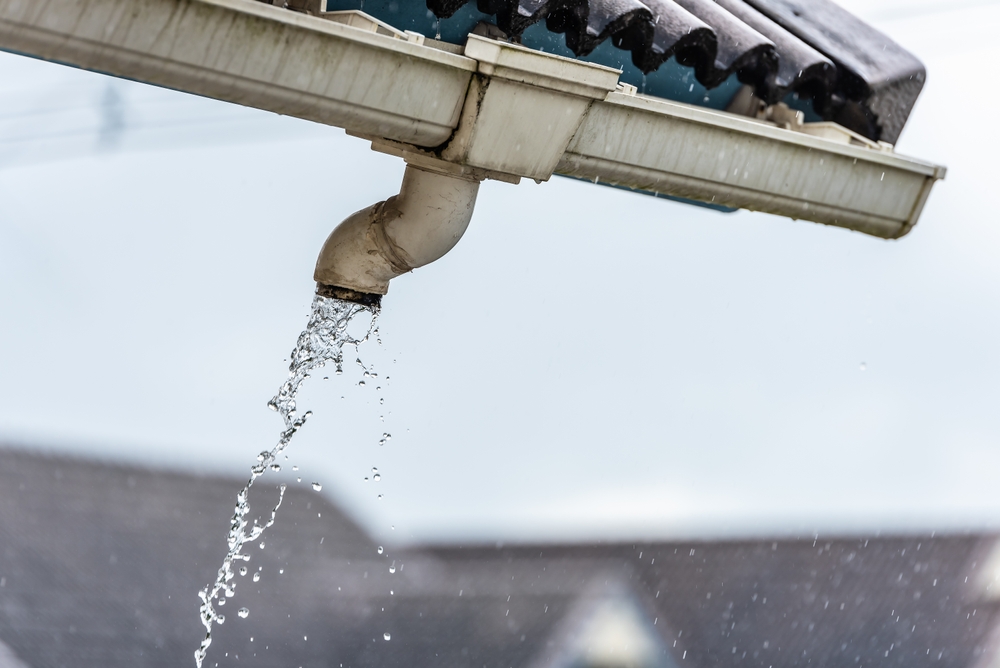
You are thoughtfully involved in thinking about your house on a very rainy day. There stands your house like a mighty fortress withstanding all the thousands of tempers nurtured by Mother Nature. But have you ever spared a thought for the silent worker in this scene? The downtrodden rain gutter downpipe surreptitiously positioned somewhere along the exterior of your house.
Rain gutter downpipes protect your home against water damage by channelling away rainwater from your roof and away from the building’s foundation. The important function is sometimes neglected until one is confronted with adding flooding, dampness, or risks to structure safety. Why not spare a second for this drab contraption? In this article, we shall discuss maintenance tips to keep your rain gutter downpipe working efficiently, to say thanks for not wasting time and incurring costly repairs.
The idea of climbing up a ladder to clean gutters send you into a tailspin. When was the last time you thought of checking your gutter downpipe? Not alone. We always seem to forget about jobs that look just too challenging. But today, we’re putting on our handyman’s hat and making gutter downpipe maintenance less of a chore and more of a rewarding experience. Here we go!
Understanding Your Gutter Downpipe
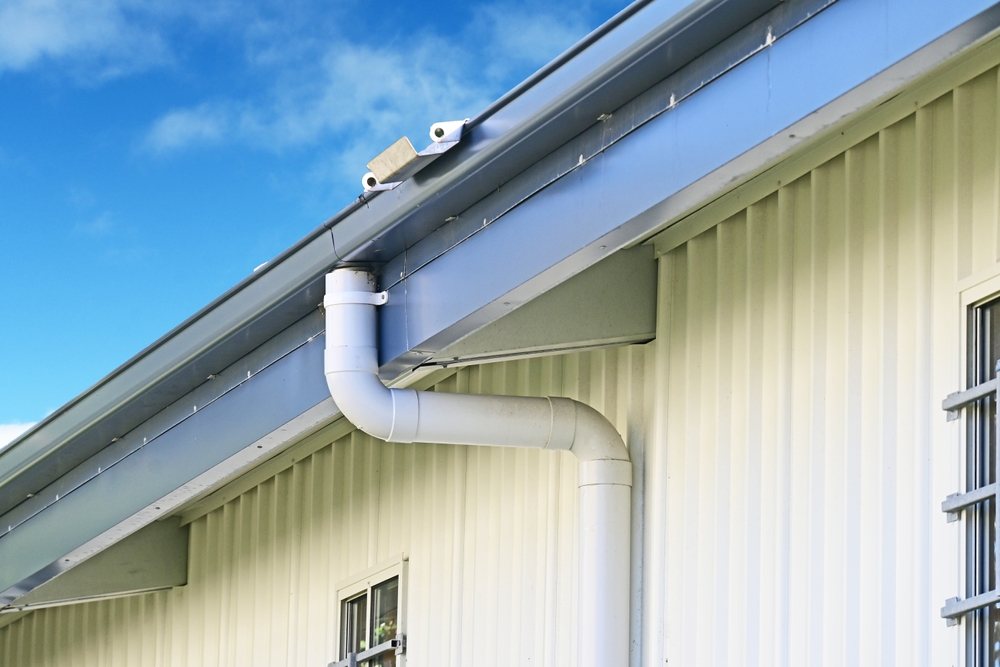
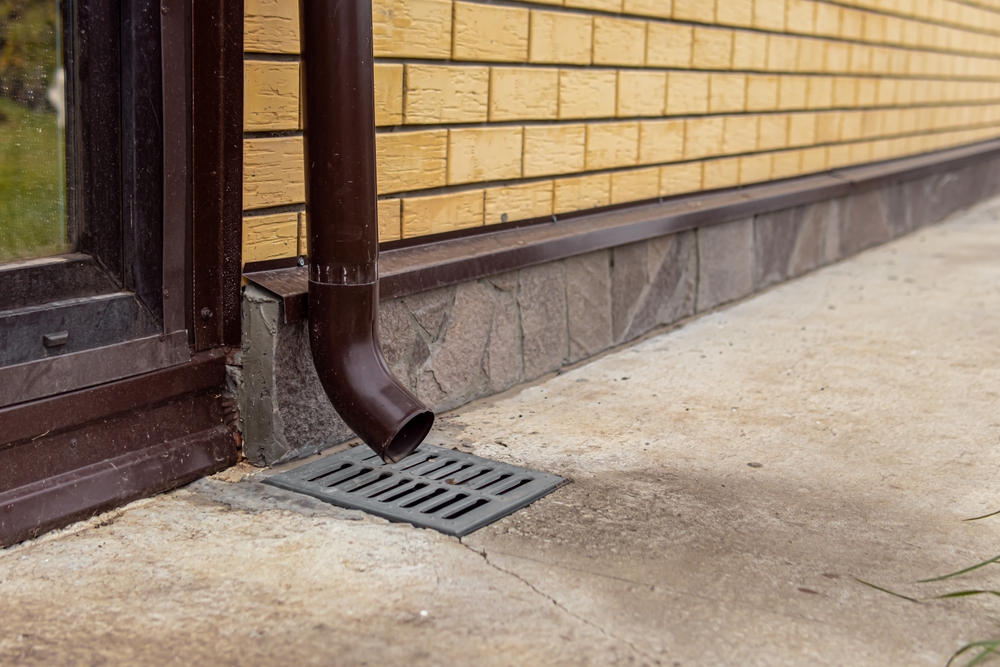
To focus on maintenance, first you need to understand what a gutter downpipe is and why it’s necessary. Downspouts are the vertical elements of a rain gutters system collection that carry water from the gutter at the roof edge down to the ground, so the roof water does not pool around a home’s foundation. If downspouts are not working well for whatever reasons, the whole house can suffer from water damages such as erosion, concrete cracks, and basement flooding.
There are a few types of gutter downpipes: round downpipes, square downpipes, and corrugated downpipes. Each has its advantages and disadvantages, but they serve the same important function. It is up to you as to which one matches the aesthetics of your home and the climate.
Maintenance, alas, does not start from mere leaves sweeping tops. Routine cleaning, investigations for problems, and regular maintenance provide full performance of your gutter downpipe, extending its life, preventing damage to your home.
Signs That Say It’s Time for Downpipe Maintenance
Are you unsure when to get started on your gutter downpipe maintenance? Here are some signs saying it’s time:
Consistent overflow in the gutter during rainfall
Water pooling near your home’s foundation
Erosion or damage to landscape close to the downpipe
Moisture or dampness in the basement
Some obvious signs that should help to get me moving can include an environment in which complete blockages of the Gutter Downpipe exist, getting damaged, or being broken. If you act quickly, you can save yourself tons of cash in house repairs later down the line.
Who Should Take Care of Your Downpipe?
The homeowner is the one who will perform maintenance on his or her rain gutter downpipe; however, taller buildings, homes with more complicated roofing systems, or homeowners who may not be comfortable in doing these kinds of tasks can hire a professional gutter cleaning and maintenance service. This service is comprehensive for your downpipe and the entire gutter system, ensuring that everything is properly maintained and functioning well.
DIY Gutter Downpipe Maintenance Tips
Having understood why we should, when we should, and who could potentially give our rain gutter downpipe some love, it’s time to roll up our sleeves and discuss the “How.” With some safety tips and a few simple DIY methods, I’ll be guiding you in both ways of maintaining your gutter downpipe correctly.
If you feel ready and have confidence in gutter maintenance – then here are some tips to get started:
Regular cleaning: Blockages of debris, leaves, and obstruction need to be flushed out at least two times on a yearly basis and keep the downpipes efficient.
Inspection and repair: Look for cracks or any developed rust along the downpipe or at its joints where possibilities of leakage may exist. Use a patching kit to seal any small fissures.
Check that it has been installed properly: Having a downpipe is being accurate for flow away from your home’s foundation to avoid water damage.
The Pros and Cons of DIY Gutter Downpipe Maintenance
There are clear advantages to performing your own maintenance, but it’s also critical to view the accompanying risks. Here are a few pros and cons to the DIY maintenance approach that should be considered:
Pros:
Save money by not hiring professionals
Get hands-on knowledge about your home and its requirements
Cons:
Potential safety risks, particularly while working at height
You may miss signs of gutter or downpipe damage that a professional would notice
Conclusion
Our humble rain gutter downpipe is a fantastic ally for directing rainwater safely away from your home. Like all good things, it also necessitates attentive care – a simple routine check-up isn’t time-consuming, and with a few DIY strategies, it becomes easy to manage. On the other hand, to know when to call for a professional is equally important.
Every house has its own unique requirements, and with knowledge about your house, you will be able to make an informed decision concerning the maintenance of every nook and corner. Let us pledge to the routine; your future self will indeed thank you for that in years to come. As we wrap up, remember that your rain gutter downpipe doesn’t just protect your home; it serves as a symbol of your proactive initiative in home maintenance. Caring for your home is the best form of preventative medicine, we agreed.

About the Author
Reader Interactions
What Others Are Reading



Join the Gossip